More than ten years ago, I studied oil painting restoration in Florence, Italy. During my training, I was introduced to many traditional conservation materials such as dammar resin, rosin, beeswax, and natural resin-based systems. These materials have a long history of use and have proven their value through generations of conservation practice.
At that time, I assumed that if the same materials and methods were used correctly, similar results could be expected everywhere.
After returning to Malaysia, however, I began to notice that the situation was not always the same.
As my restoration work increased, I observed that some natural resin varnishes appeared to age faster than expected. Certain wax-based materials seemed to attract dust and airborne pollutants more easily, while some treatment systems required more frequent maintenance under long-term high humidity conditions.
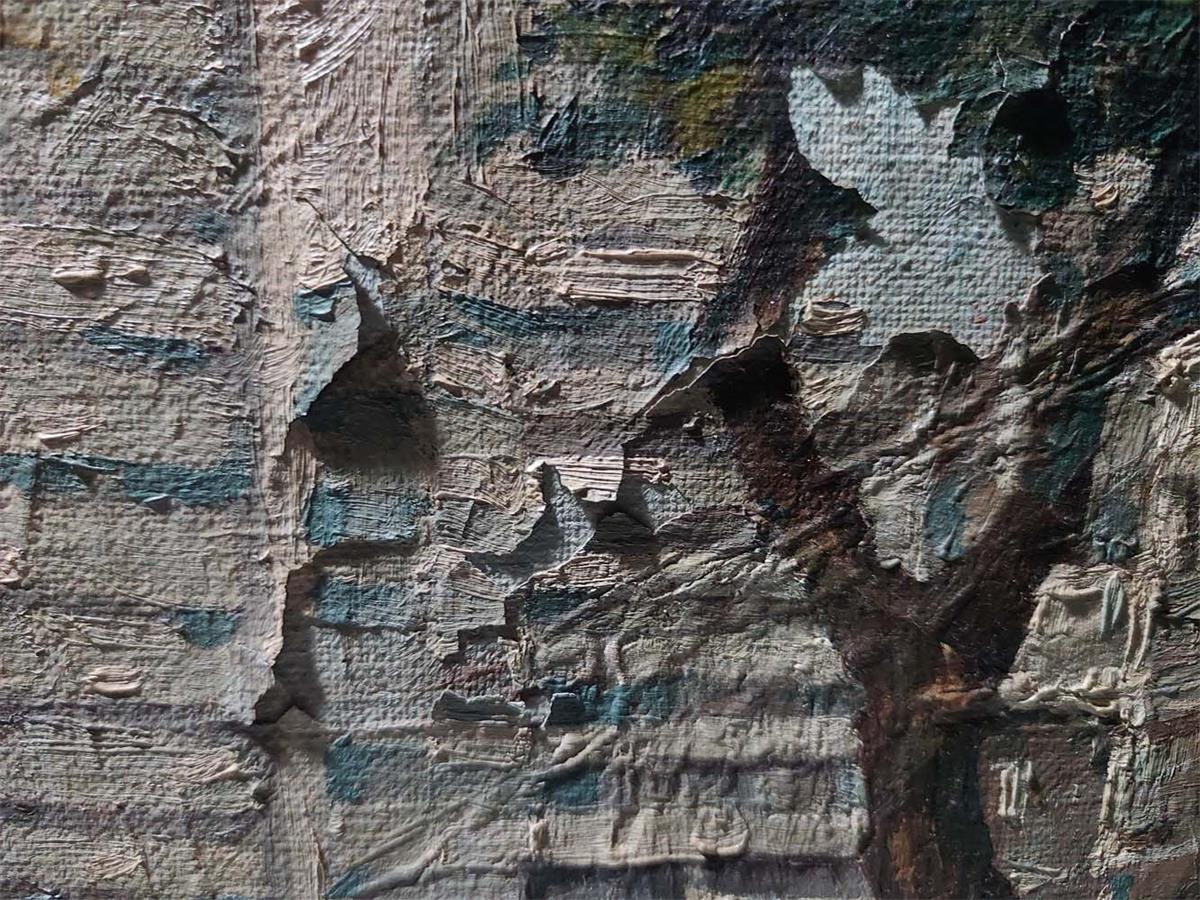
This does not mean that these materials are unsuitable. They have been successfully used for many years and continue to play an important role in conservation.
What these experiences taught me is that the performance of conservation materials cannot be separated from the environment in which they exist.
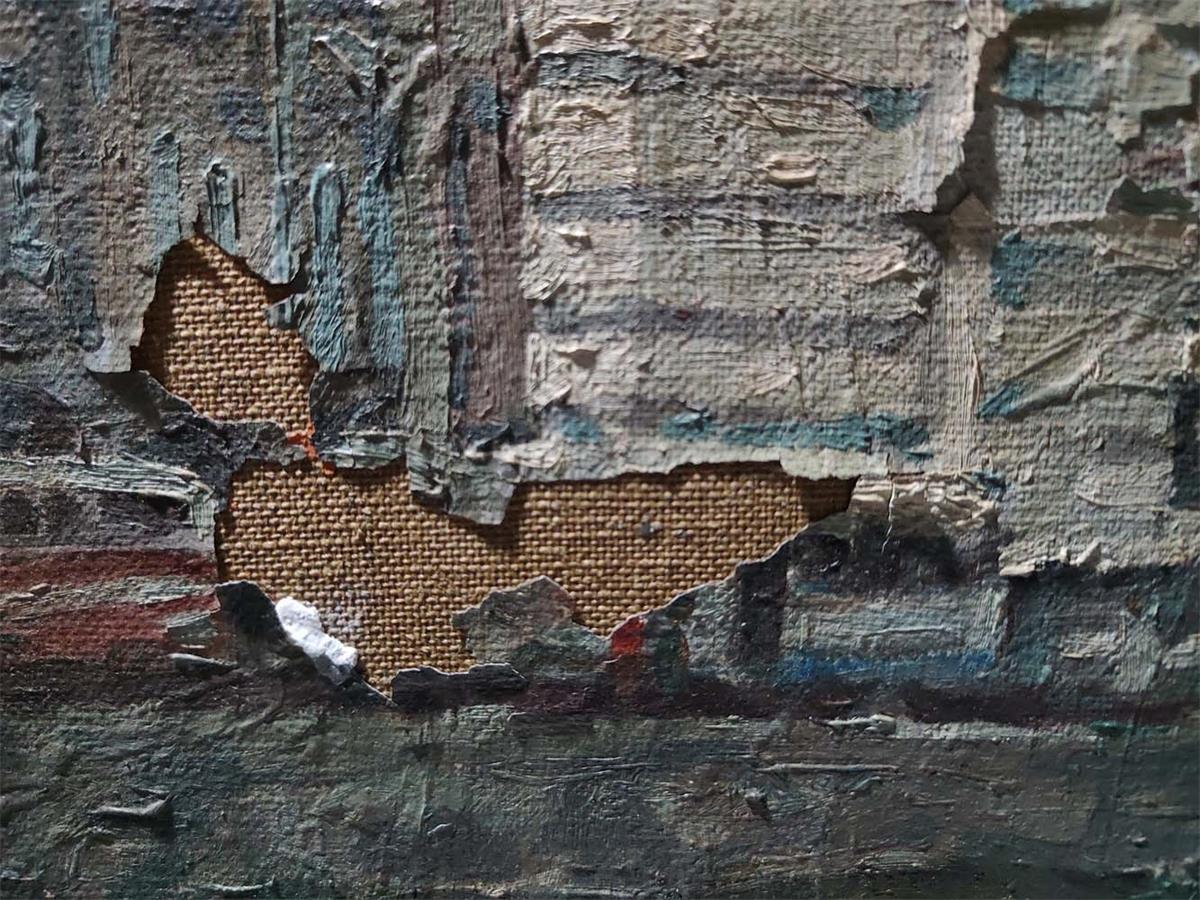
Malaysia has a tropical climate with high temperatures and humidity throughout the year. In many areas, relative humidity regularly remains between 70% and 85%.
At the same time, most of the paintings I work on do not return to museum storage after treatment.
They return to living rooms, offices, meeting rooms, hotels, and commercial spaces.
Most private collectors simply do not have access to museum-level environmental control, and realistically, many never will.
Artworks are collected to be enjoyed as part of daily life.
This led me to ask a simple question:
If we know that artworks will eventually return to real-world environments, should conservation strategies also take those conditions into account?
Throughout my years of practice, I have continued to observe how tropical conditions affect paintings over time. This year, I began recording some of these observations more systematically, including environmental conditions, signs of biological activity, and the long-term performance of different protective approaches.
I am not trying to challenge existing conservation principles. Rather, I hope to better understand how those principles perform when applied in a tropical environment.
I should also note that these observations come primarily from my experience in Malaysia, working with private and corporate collections rather than museum collections.
For many collectors, preservation is not only a technical issue. It is also a practical and economic one.
Not every collector can build a climate-controlled space, and not every artwork will live in ideal conditions.
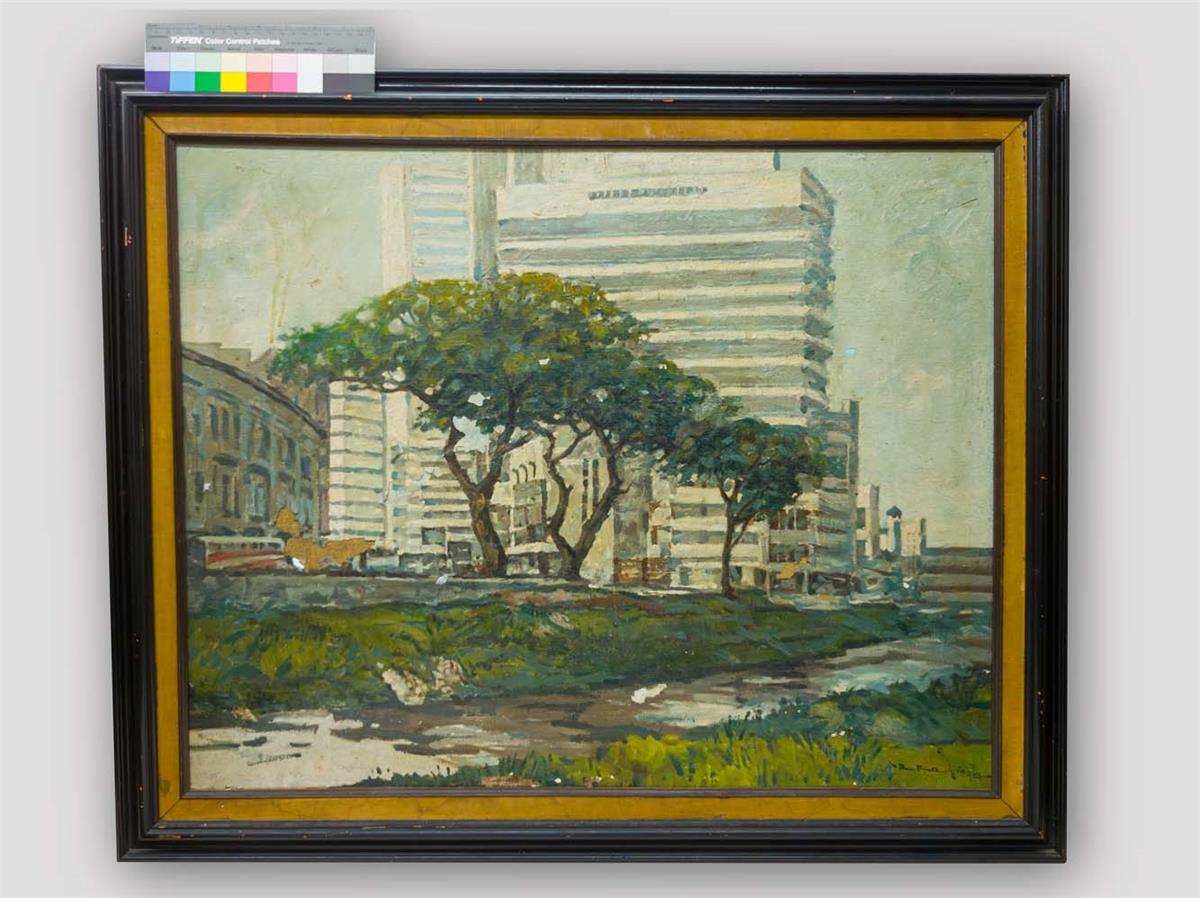
For this reason, my interest is not in finding the perfect solution, but in finding practical approaches that balance conservation needs with real-world conditions.
These observations are still at a very early stage. I do not claim to have answers. I am simply beginning to ask questions that I believe deserve further discussion.
As I continue documenting these observations, I hope to share more experiences from conservation practice in Malaysia's tropical environment in future posts.